
Addressing Racial Inequity Through Social Determinants of Health and Adverse Childhood Experiences
If you want to address racial inequity in a way that withstands grant-review scrutiny, you need a framework that is measurable, evidence-based, and focused on root causes. The Social Determinants of Health (SDOH) and Adverse Childhood Experiences (ACEs) provide exactly that.
Social Determinants of Health explains inequity as a problem rooted in conditions such as unequal access to safe housing, stable income, quality education, transportation, nutritious food, healthcare, and community safety. Healthy People 2030 defines SDOH as the “conditions in the environments where people are born, live, learn, work, play, worship, and age,” which shape health and life outcomes. Healthy People 2030 is a federal public health initiative led by the U.S. Department of Health and Human Services' Office of Disease Prevention and Health Promotion. Its purpose is to set data-driven national objectives and common definitions that programs and funders can use throughout the decade.
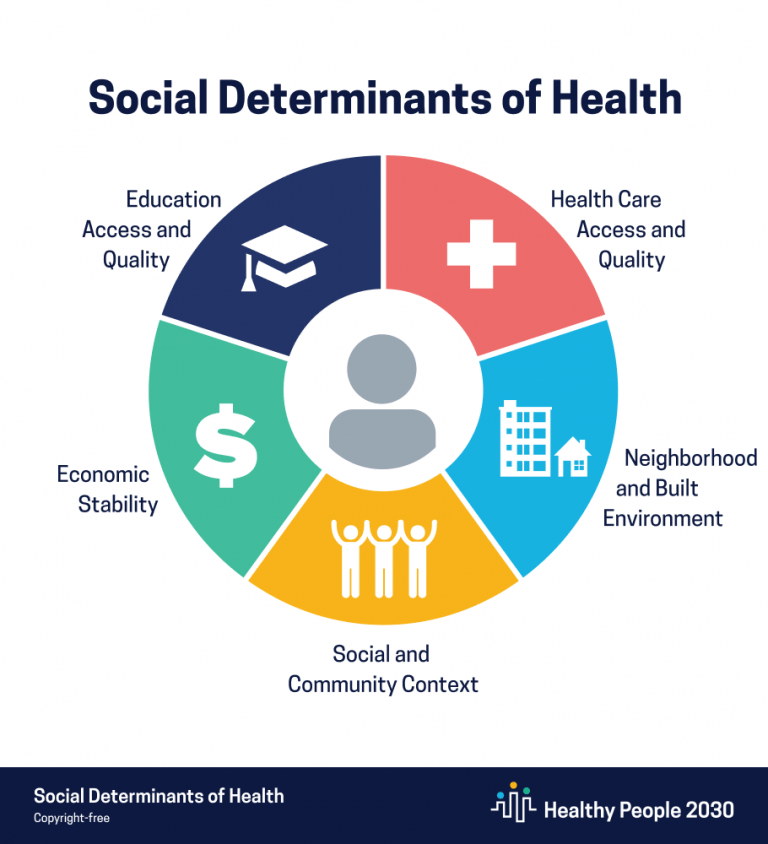
This matters in grant writing because reviewers do not fund vague “equity intentions.” Instead, they fund proposals that clearly connect need → cause → intervention → outcome. Healthy People 2030 also organizes SDOH into five domains: economic stability, education access and quality, healthcare access and quality, neighborhood and built environment, and social and community context. This organization makes it easier to build a logic model and evaluation plan that sounds credible and standardized.
Adverse Childhood Experiences strengthen the argument by illustrating how inequitable conditions lead to long-term harm. The CDC defines ACEs as potentially traumatic events occurring before age 18, including experiences such as abuse, neglect, and household instability. ACEs are linked to an increased risk of negative health, mental health, and life outcomes over time. This is especially relevant for racial inequity because structural barriers increase exposure to chronic stressors—such as housing instability, community violence, caregiver strain, and under-resourced schools—making adversity more likely while rendering support less accessible.
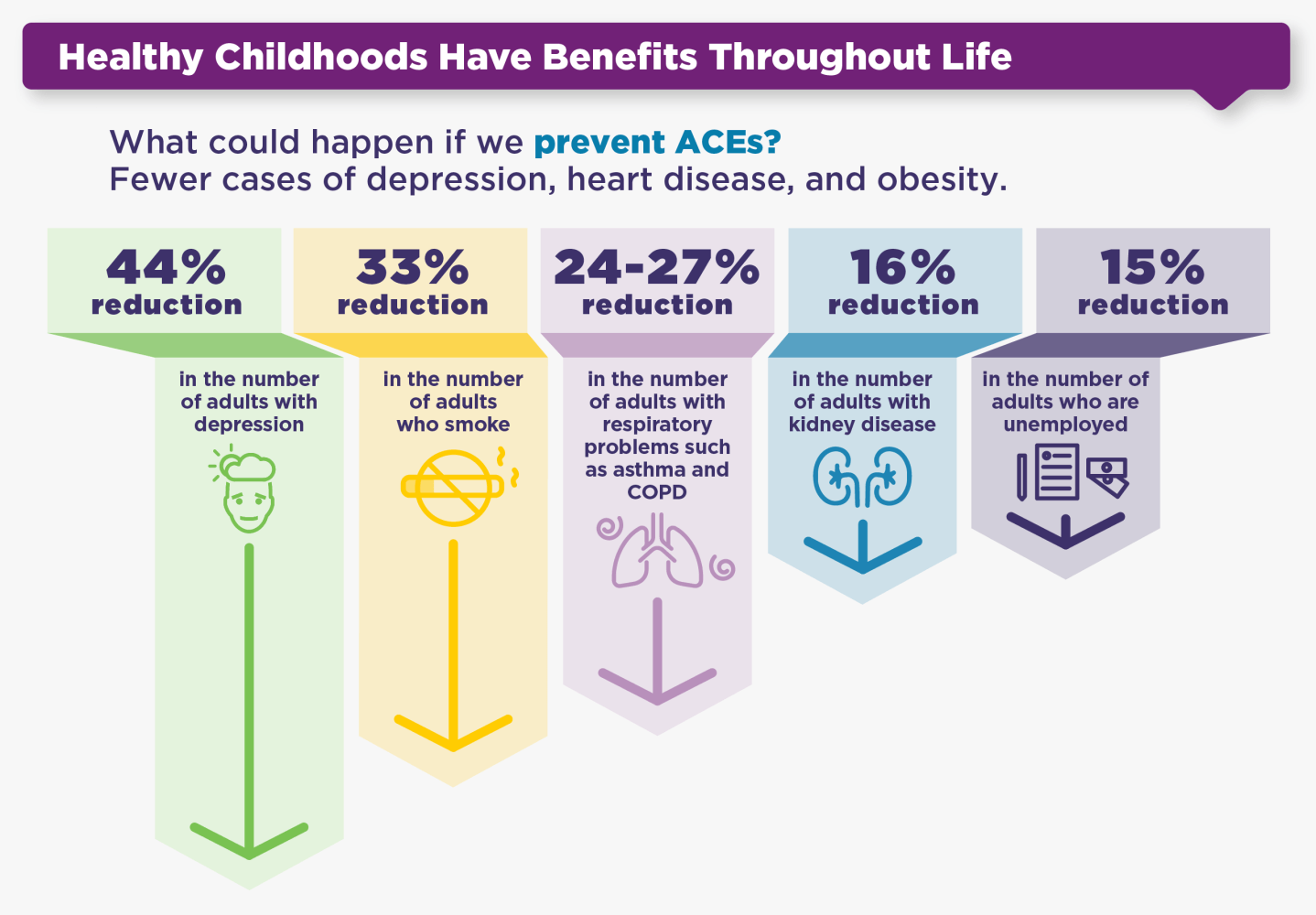
Another reason SDOH and ACEs are powerful is that they are inherently inclusive while still targeting the most vulnerable. Instead of requiring eligibility based on identity or forcing people to prove that they “deserve” help, this approach focuses on barriers and exposures. By improving conditions—such as stabilizing housing, removing barriers to healthcare, strengthening school supports, reducing neighborhood risks, and building social connections—you can help whole communities, while disproportionately benefiting those facing the highest burdens. The CDC explicitly states that addressing SDOH is essential for improving health and reducing disparities.
Finally, this framework succeeds because it is based on detailed, solution-focused research. The CDC clearly states: ACEs are preventable, and prevention requires creating safe, stable, nurturing relationships and environments for children—SDOH. For example, benefits navigation and emergency supports (economic stability); tutoring and attendance supports (education); care coordination and school-based services (healthcare); healthy housing and safety partnerships (neighborhood); and mentoring and caregiver support (social context). In summary, SDOH combined with ACEs allows you to address racial inequity with precision, credibility, and practical solutions—exactly what grant reviewers want to see.
If your organization is serious about addressing racial inequity, stop relying on vague equity language and start building strategies that can hold up under funding, evaluation, and implementation pressure. Butler & Davis Consulting helps organizations translate Social Determinants of Health and Adverse Childhood Experiences research into practical, grant-ready programs, prevention strategies, and measurable solutions.
Visit www.butler-davis.com to learn more about our consulting, training, and program development services.
Is your organization trauma informed?
Take this free but brief organizational assessment to help you uncover the policies, practices and behaviors that need to be improved upon.

Latest from our blog

Policy Pages
Get in touch


Copyright © 2025