
The Assimilation Paradox: Is Politeness Hindering Cross-Cultural Connection?
Years ago, I lived on a ship, traveling halfway around the world with students from over 50 countries. We docked in 13 different nations, and during that journey, a recurring question surfaced: What happens when diverse cultures occupy the same space? Whose traditions become the norm? Who is expected to adapt, and who is forced to assimilate?
As I’ve grown in my social work profession, I realize we weren’t just discussing logistics; we were talking about power and privilege. When different cultures share a space, they rarely enter it with equal leverage.
I see this clearly as a Black social worker within predominantly White institutions. Black professionals don’t simply enter an organization; we study its culture.
We learn what "professionalism" sounds like. We learn which emotions are permissible and how directly we can speak. We learn when to challenge the status quo and when doing so will only create a bigger problem for ourselves.
We code-switch. To some extent, we assimilate. Many of the organizational norms we are pressured to adopt are rooted in Eurocentric definitions of professionalism—specifically, narrow ideas of politeness.
Through a racial healing lens, I’ve begun to view this differently. Social work devotes significant time to discussing cultural competence and humility between clinicians and clients, but we rarely discuss cultural competence between colleagues.
I remember a White classmate who wanted to work in the Los Angeles jail system. Incarcerated Black men would write her deeply personal letters about their childhoods, trauma, and resilience. She would bring these letters to me, asking what they truly meant.
I told her: "If you are going to work with this population, you must learn how the people you serve communicate." She pleaded for my help, and I gave it. But in the back of my mind, a thought lingered: These are the professionals who are going to be serving our communities.
The burden on the Black professional is often twofold: We must navigate the dominant culture while simultaneously being asked to translate our own communities for that same culture.
I’ve come to believe that the burden of cultural adaptation follows power. The person with less power is tasked with studying the person with more. I see this play out even in personal spaces.
I have supported White friends’ businesses and writing. I have purchased books written in languages I don't speak because supporting someone I care about didn’t require their work to be curated for me.
Yet, when I write about Black mental health and wellness, I’ve noticed that same curiosity is not always reciprocated.
This brings me back to politeness. In many aspects of Black culture, directness and confrontation do not signal a lack of care. Often, naming the problem is the highest form of care.
Our voices have historically been tools for protection, advocacy, and connection. But in spaces where "politeness" is prioritized over honesty, that directness is labeled as aggressive, unprofessional, or confrontational.
So again, who adapts? The marginalized person is expected to communicate inequity only in a way that ensures the comfort of those with power.
Is our definition of politeness building cross-cultural relationships—or is it preventing them?
Genuine connection requires more than one side becoming skilled at navigating the other. It requires reciprocity. Cultural competence isn't just about learning how to "serve" others; it requires learning how to be in a relationship with them without requiring them to assimilate first.
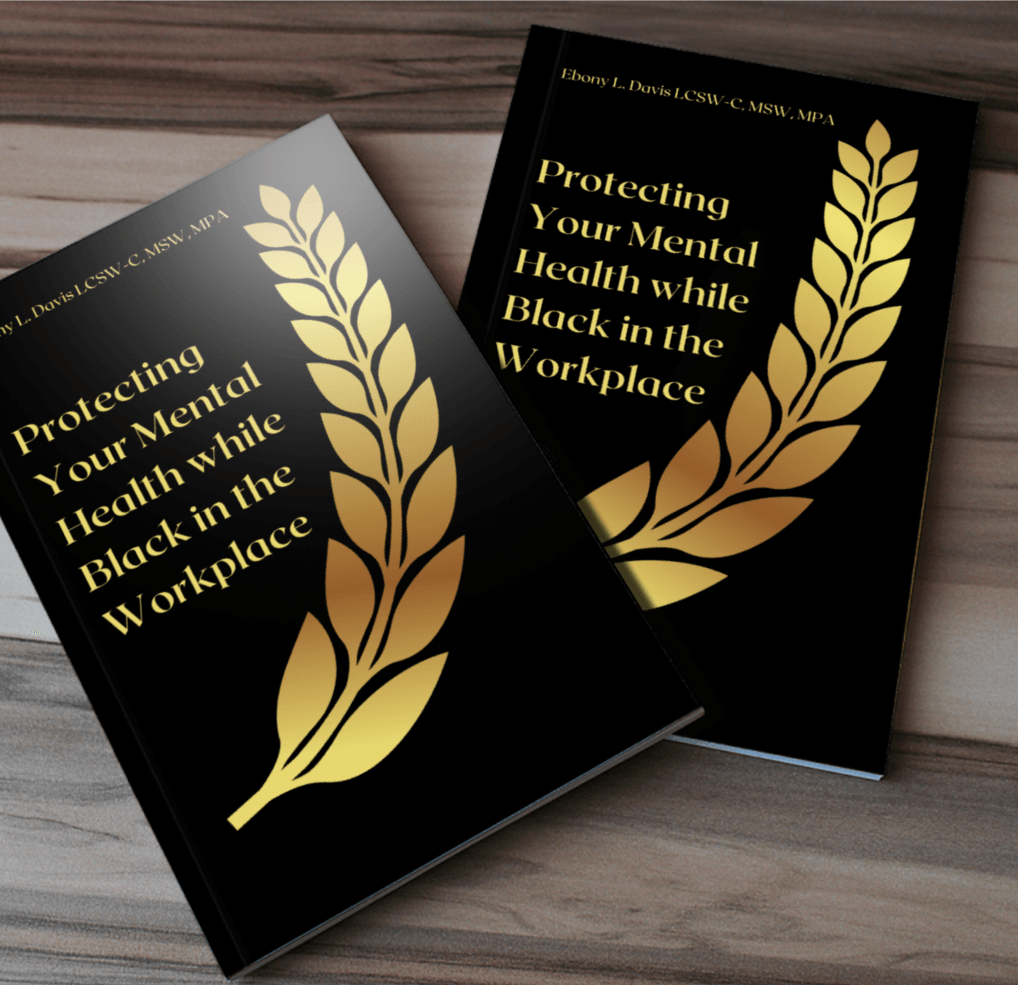
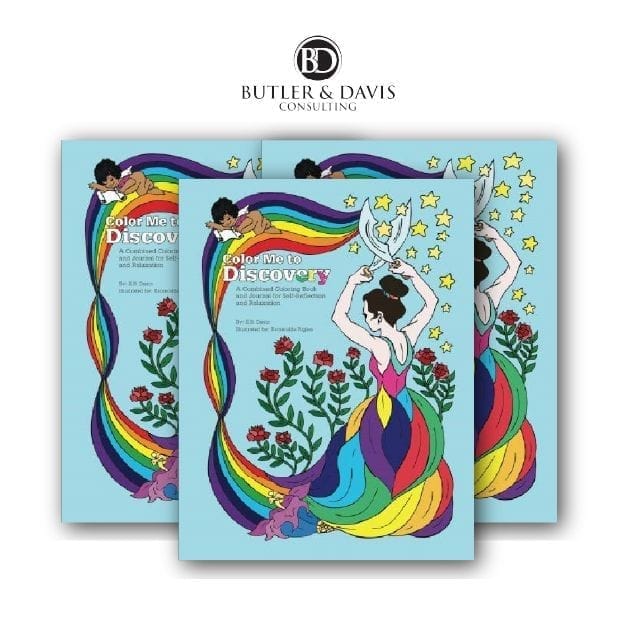
Explore the Butler & Davis Book Collection
Continue your reflection beyond the blog. Explore books and creative tools designed to support mental wellness, self-discovery, and personal growth.
Choose the resource that speaks to where you are right now.

Is your organization trauma informed?
Take this free but brief organizational assessment to help you uncover the policies, practices and behaviors that need to be improved upon.

Latest from our blog

Policy Pages
Get in touch


Copyright © 2025